

Understanding Gum Disease: Early Warning Signs & How to Prevent It
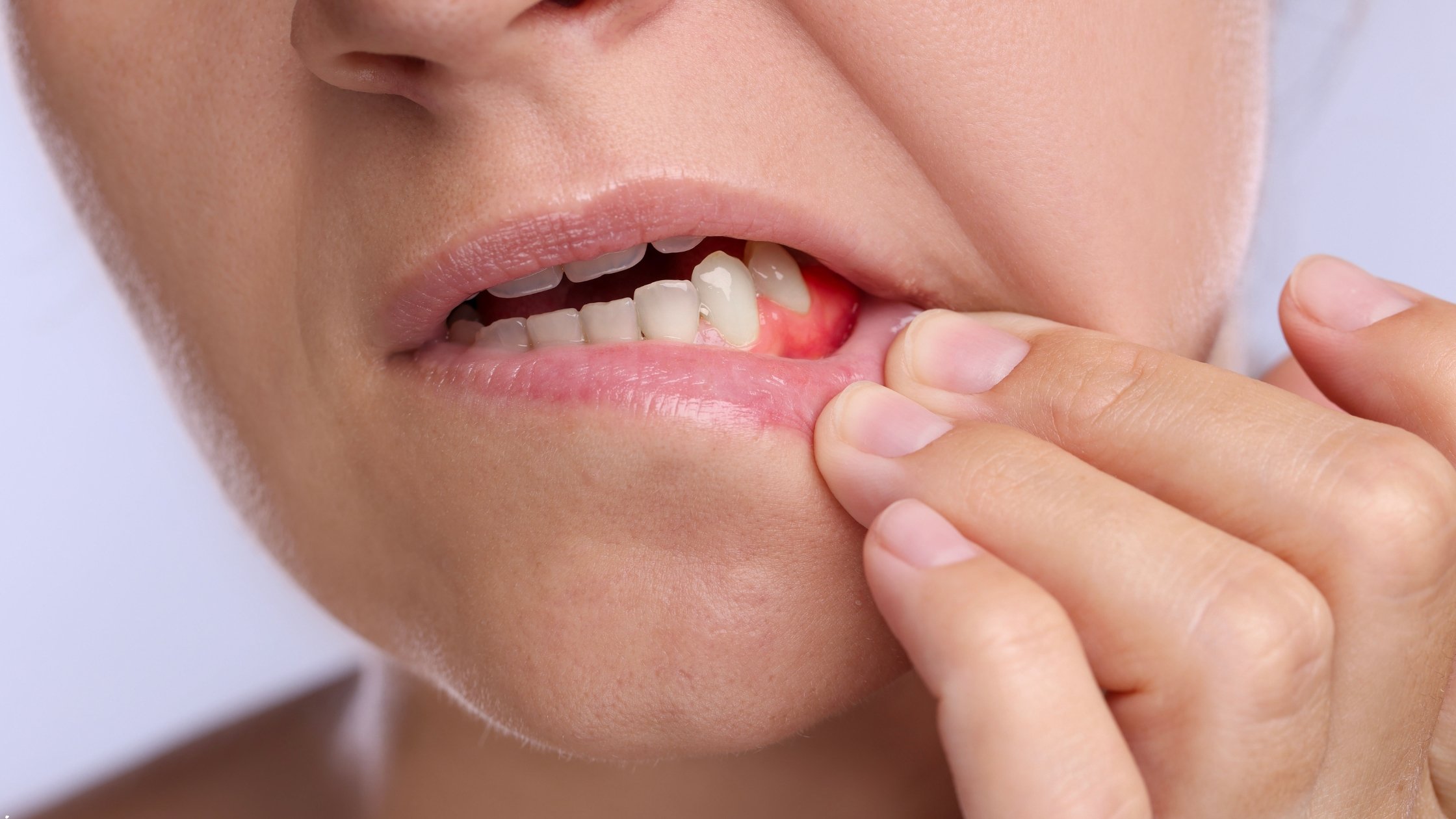
It’s a common scenario: you’re brushing your teeth, spit into the sink, and notice a trace of pink. Many people brush this off as brushing "too hard," but bleeding gums are often the very first indicator of gum disease.
Gum disease (periodontal disease) is one of the most widespread chronic conditions in Australia, yet because it often develops quietly without severe pain in its initial stages, many people delay treatment until real damage occurs.
Understanding the stages of gum disease and taking action early is the key to preserving your natural teeth for life.
The Two Main Stages of Gum Disease
Gum disease progresses through two distinct phases. Catching it during the first stage makes all the difference:
1. Gingivitis (Early & Reversible)
Gingivitis is the mildest form of gum disease caused by a buildup of plaque, a sticky film of bacteria, along the gumline.
The Good News: At this stage, the underlying bone and supporting fibres holding your teeth in place are not yet damaged. Gingivitis is completely reversible with professional dental cleaning and improved home care.
2. Periodontitis (Advanced & Permanent)
If left untreated, gingivitis can advance to periodontitis. The inner layer of the gum and bone pull away from the teeth, forming pockets that collect debris and become infected. Over time, toxins produced by bacteria break down the bone supporting your teeth, which can lead to loose teeth or tooth loss.
5 Early Warning Signs You Shouldn't Ignore
Because gum disease can be painless in the beginning, it pays to watch for these subtle signs:
Bleeding while brushing or flossing: Healthy gums do not bleed during normal daily cleaning.
Persistent bad breath (Halitosis): Bacteria lingering in periodontal pockets release compounds that cause unpleasant breath or a bad taste.
Red, swollen, or tender gums: Healthy gums are firm and light pink; inflamed gums look dark red or puffy.
Receding gums: Teeth starting to look longer than usual as the gumline pulls back.
Sensitivity near the gumline: Exposed roots caused by receding gums often lead to sensitivity when eating hot, cold, or sweet foods.
How to Prevent Gum Disease at Home
A solid daily oral hygiene routine is your best defence against plaque buildup:
Brush twice daily for 2 minutes: Use a soft-bristled toothbrush and fluoride toothpaste. Angle bristles at 45 degrees toward the gumline to sweep away plaque.
Floss or use interdental brushes daily: Brushing cleans only about 60% of your tooth surfaces. Daily flossing removes hidden plaque between teeth.
Stay hydrated: Drinking fresh tap water throughout the day helps flush away food particles and maintains protective saliva production.
Avoid smoking and vaping: Tobacco use significantly reduces blood flow to gum tissues, hindering your mouth's natural ability to fight off infections.
Professional Care at Nambour Dental Practice
While home care is essential, toothbrush bristles cannot remove tartar (hardened plaque). Only professional dental instruments can safely clear tartar deposits above and below the gumline.
At Nambour Dental Practice, our team has cared for Sunshine Coast smiles for over 80 years. During your routine check-up, we evaluate your gum health, measure pocket depths to check for early periodontitis, and provide personalised hygiene plans to keep your gums firm and healthy.
Take the First Step Toward Healthy Gums
If you’ve noticed bleeding, inflammation, or haven't had a check-up in over six months, we're here to help in a comfortable, relaxed environment.
Call Nambour Dental Practice today at (07) 5441 2085 or book your check-up and clean online to keep your smile healthy and protected.